

Osama Bin Laden surely died happy. He devoted the last third of his life to creating animosity between the West and Islam and to driving a wedge between Saudi Arabia and the United States. The US is making enemies all over the Muslim world. Americans are less secure, less prosperous, and less free than we were as this century began. Can a new administration change this? Will it?
I have a political confession to make. I do not believe that we are about to elect a president able to govern effectively and end dysfunction in Washington. Whoever we choose as our president seems certain to be regarded as illegitimate and opposed by supporters of her or his rival. These opponents will be just as determined to discredit and oust her or him from office as diehard Republicans have been to thwart and discredit President Obama over the past eight years.
After careful analysis of Mr. Trump’s inconstancy on the Middle East and other matters, I have come to suspect that he is actually five guys sharing a single, oversized orange wig. Meanwhile, Mrs. Clinton presents herself as the pitiless goddess of air strikes, drone warfare, and dead tyrants. But, at heart, the two candidates faithfully reflect the narratives, prejudices, and conventional policy approaches of the nation they propose to lead. This gives them so much in common that it is more efficient to discuss them together than separately. So, I will refer to Candidates Clinton and Trump as one gender-fluid person: “Candidate Clump.”
Candidate Clump is on the payroll of the Israel Lobby’s major donors and loves sanctions and other forms of economic warfare more than trade and investment. The next president will concentrate on keeping the lid on the explosive mess the last few presidents have made of the Middle East and America’s position in it, not on defusing or dismantling the mess. All this means that the next administration, whoever heads it, is very unlikely to lead an intelligent interagency or national discussion about what must be done to dig ourselves out of the deep, many-sided sinkhole we have fallen into in the Middle East.
There are at least twelve distinct but overlapping wars going on in Syria. The US is directly or indirectly involved in about half of these Syrian wars, aligned with and against Assad, with and against the insurgent forces, sometimes with Turkey and sometimes with the Kurds, but always against Russia. Oh, and Israel continues to bomb Syrians whenever it feels like it. Notwithstanding all the humanitarian crocodile tears and public relations exercises masquerading as diplomacy, the net effect of US policy has been to perpetuate the anarchy and slaughter in Syria by feeding ever more weapons into it. This is a policy that is congenial to Israel, which openly prefers chaos to competent but hostile government in Syria. It frustrates or horrifies everyone else. Assad remains in power; the Gulf Arabs feel let down; sectarian strife swells; foreign interventions wax and wane; Iran retains a preeminent political role in the Levant; Turkey turns this way and that; Kurdish self-determination looms, then recedes; Turkey and Europe drown in refugees; the US and Russia are ever-closer to war; all sides, including the US, remorselessly violate both international law and the basic canons of human decency; Daesh revels in its martyrdom; and the slaughter continues. The disgusting effects of lawless outside intervention in Syria (as in Libya) have driven a stake though the heart of the so-called “responsibility-to-protect” principle.
Americans are in denial about the significant role we have played in destabilizing Iraq, Libya, Syria, Yemen and Afghanistan. We accept no responsibility for the 450,000 or more Syrian dead or the eleven million displaced from their homes. It’s time for a different approach. The place to start is Syria. Syrians need to sort out their differences among themselves. It would also bring the world back into conformity with the principle that one should do no harm, and mark a return to respect for international law, something now rarely mentioned but which we all have a stake in preserving.
The next administration should strive to restore US-Saudi relations so that they permit exploration of how to advance interests that both countries share with Iran, like the stabilization of Afghanistan and Iraq. To be sure, doing this would not be at all easy.
Despite decades of efforts by the US to broker peace between Israel, the Palestinians, and the Arab and Muslim worlds, the so-called “peace process” is now dead and buried. It cannot be exhumed and will not be resurrected. This means that, under the next administration, the US will have no international political cover at all for its ongoing subsidies to the Israeli settlement enterprise or for its protection of Israel from international condemnation and punishment for gross violations of the rights of captive Arab populations, illegal territorial expansion, and intermittent military assaults on neighbors.
Unconditional US support for Israel does grave harm to Israel by enabling it to behave in ways and take risks with its future that it otherwise would not. Of greater importance to Americans, it also greatly reduces the credibility of the US by causing Arabs, Muslims, and many others to see US attempts to advocate human rights, oppose racism, promote the rule of law, empower women, or support the democratization of government as insincere, hypocritical, or duplicitous.
To sum up, despite the shambles present and previous policies in the Middle East have produced, the next administration is likely to ratchet them up, not change them. They serve too many vested interests and resonate with too many entrenched narratives to be discontinued. But the probable result of doing more of the same is more of the same. That’s really too bad both for us and for everyone in the Middle East.
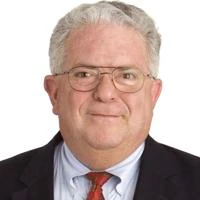
* Chas Freeman served as US ambassador to Saudi Arabia during the war to liberate Kuwait and as Assistant Secretary of Defense from 1993-94.
Transcend Media Service
I have a political confession to make. I do not believe that we are about to elect a president able to govern effectively and end dysfunction in Washington. Whoever we choose as our president seems certain to be regarded as illegitimate and opposed by supporters of her or his rival. These opponents will be just as determined to discredit and oust her or him from office as diehard Republicans have been to thwart and discredit President Obama over the past eight years.
After careful analysis of Mr. Trump’s inconstancy on the Middle East and other matters, I have come to suspect that he is actually five guys sharing a single, oversized orange wig. Meanwhile, Mrs. Clinton presents herself as the pitiless goddess of air strikes, drone warfare, and dead tyrants. But, at heart, the two candidates faithfully reflect the narratives, prejudices, and conventional policy approaches of the nation they propose to lead. This gives them so much in common that it is more efficient to discuss them together than separately. So, I will refer to Candidates Clinton and Trump as one gender-fluid person: “Candidate Clump.”
Candidate Clump is on the payroll of the Israel Lobby’s major donors and loves sanctions and other forms of economic warfare more than trade and investment. The next president will concentrate on keeping the lid on the explosive mess the last few presidents have made of the Middle East and America’s position in it, not on defusing or dismantling the mess. All this means that the next administration, whoever heads it, is very unlikely to lead an intelligent interagency or national discussion about what must be done to dig ourselves out of the deep, many-sided sinkhole we have fallen into in the Middle East.
There are at least twelve distinct but overlapping wars going on in Syria. The US is directly or indirectly involved in about half of these Syrian wars, aligned with and against Assad, with and against the insurgent forces, sometimes with Turkey and sometimes with the Kurds, but always against Russia. Oh, and Israel continues to bomb Syrians whenever it feels like it. Notwithstanding all the humanitarian crocodile tears and public relations exercises masquerading as diplomacy, the net effect of US policy has been to perpetuate the anarchy and slaughter in Syria by feeding ever more weapons into it. This is a policy that is congenial to Israel, which openly prefers chaos to competent but hostile government in Syria. It frustrates or horrifies everyone else. Assad remains in power; the Gulf Arabs feel let down; sectarian strife swells; foreign interventions wax and wane; Iran retains a preeminent political role in the Levant; Turkey turns this way and that; Kurdish self-determination looms, then recedes; Turkey and Europe drown in refugees; the US and Russia are ever-closer to war; all sides, including the US, remorselessly violate both international law and the basic canons of human decency; Daesh revels in its martyrdom; and the slaughter continues. The disgusting effects of lawless outside intervention in Syria (as in Libya) have driven a stake though the heart of the so-called “responsibility-to-protect” principle.
Americans are in denial about the significant role we have played in destabilizing Iraq, Libya, Syria, Yemen and Afghanistan. We accept no responsibility for the 450,000 or more Syrian dead or the eleven million displaced from their homes. It’s time for a different approach. The place to start is Syria. Syrians need to sort out their differences among themselves. It would also bring the world back into conformity with the principle that one should do no harm, and mark a return to respect for international law, something now rarely mentioned but which we all have a stake in preserving.
The next administration should strive to restore US-Saudi relations so that they permit exploration of how to advance interests that both countries share with Iran, like the stabilization of Afghanistan and Iraq. To be sure, doing this would not be at all easy.
Despite decades of efforts by the US to broker peace between Israel, the Palestinians, and the Arab and Muslim worlds, the so-called “peace process” is now dead and buried. It cannot be exhumed and will not be resurrected. This means that, under the next administration, the US will have no international political cover at all for its ongoing subsidies to the Israeli settlement enterprise or for its protection of Israel from international condemnation and punishment for gross violations of the rights of captive Arab populations, illegal territorial expansion, and intermittent military assaults on neighbors.
Unconditional US support for Israel does grave harm to Israel by enabling it to behave in ways and take risks with its future that it otherwise would not. Of greater importance to Americans, it also greatly reduces the credibility of the US by causing Arabs, Muslims, and many others to see US attempts to advocate human rights, oppose racism, promote the rule of law, empower women, or support the democratization of government as insincere, hypocritical, or duplicitous.
To sum up, despite the shambles present and previous policies in the Middle East have produced, the next administration is likely to ratchet them up, not change them. They serve too many vested interests and resonate with too many entrenched narratives to be discontinued. But the probable result of doing more of the same is more of the same. That’s really too bad both for us and for everyone in the Middle East.
* Chas Freeman served as US ambassador to Saudi Arabia during the war to liberate Kuwait and as Assistant Secretary of Defense from 1993-94.
Transcend Media Service


