
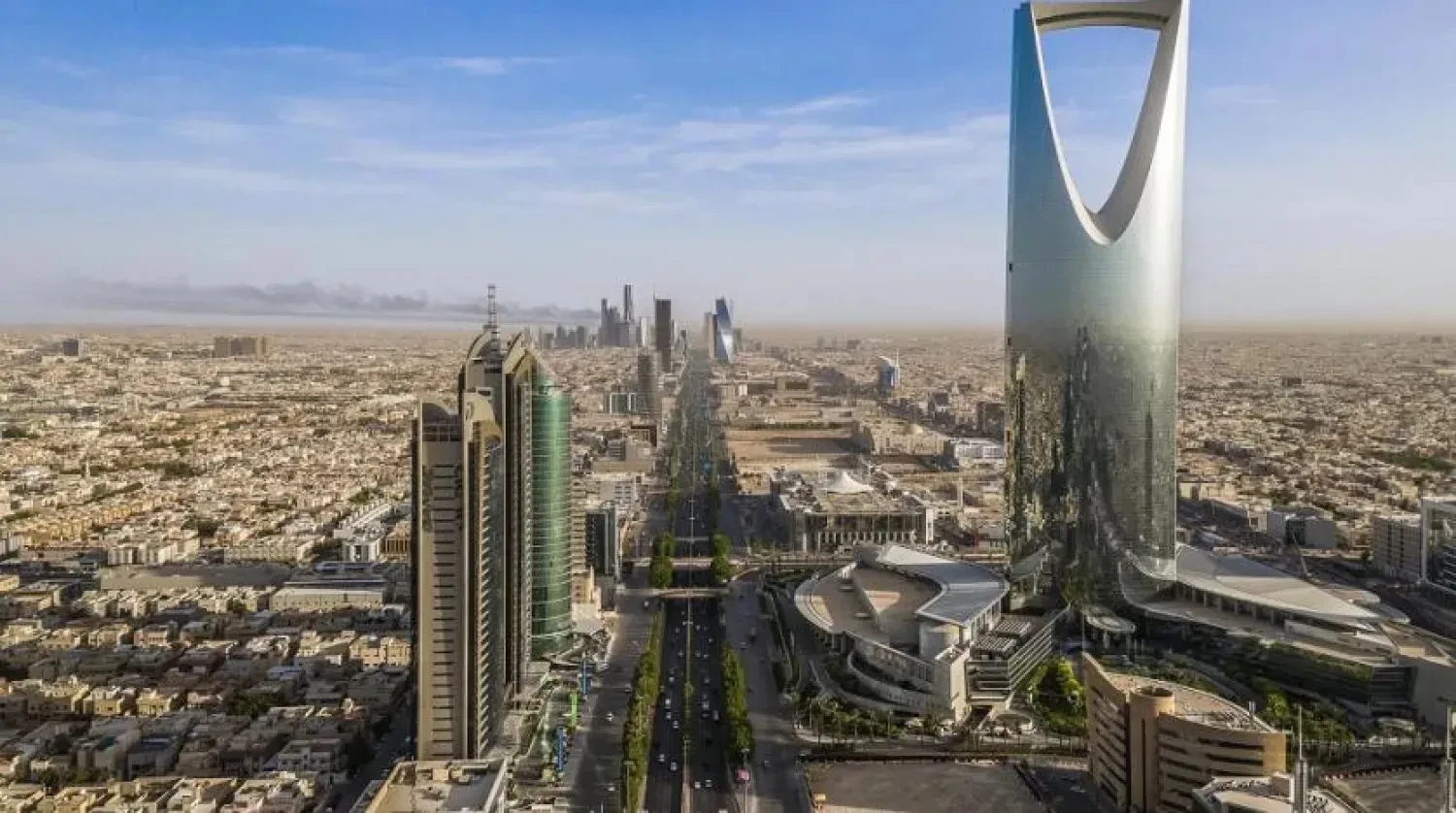

On Friday, the Coalition to Restore Legitimacy in Yemen said it had shot down a ballistic missile aimed at Riyadh and two drones headed for the Kingdom’s south. The announcement followed an attack on King Fahd International Airport in Dammam that killed two people and wounded eight. A separate attempt to hit the Shaybah oil field was intercepted but falling debris killed two residents and injured two more. Production was not disrupted.
The strikes did not come out of nowhere. On Oct. 9, UN envoy Hans Grundberg warned the Security Council that Yemen had slipped back into full-scale war, as Houthi forces pushed toward Mokha and the Bab Al-Mandab Strait and government troops counterattacked. The western coast matters because it overlooks a key international shipping lane, giving whoever controls it leverage on the battlefield and at the negotiating table.
Many observers tie the offensive to the wider regional crisis around the Strait of Hormuz and to Iran’s Revolutionary Guards and their allies seeking to threaten navigation at Bab Al-Mandab, putting two crucial energy chokepoints at risk at once.
Domestic pressures are also at work. The Houthis face a financial squeeze, having never reaped the economic dividends they expected from a truce that held for several years. Rather than use that calm to become a participant in Yemen’s government, the group sought to remain its only ruler.
That calculation has pushed the Kingdom toward a different approach: weakening the Houthis and neutralizing their threat
Hassan Al-Mustafa
Diplomacy has never fully stopped. In December 2023, Grundberg announced commitments on a ceasefire, public sector salaries, easier road access and oil exports but they never became a binding deal, held up by local complications and Houthi intransigence.
Rayed Krimly, the Saudi Foreign Ministry’s undersecretary for public diplomacy, said on Oct. 15 that at the start of the latest escalation, “we asked them to meet in the Omani capital, Muscat, but they refused.” The refusal came not because Riyadh closed any channel but because the Houthis believed they could extract more through “political blackmail.”
Riyadh, in this telling, neither sabotaged a Yemeni political settlement nor tried to erase the Houthis from public life. It was the Iran-linked group that played on two fronts, regional and domestic, using turmoil across the Middle East to entrench its position as a force that holds ground, threatens shipping and endangers its neighbors in the belief that this would strengthen its negotiating hand.
That calculation has pushed the Kingdom toward a different approach: weakening the Houthis and neutralizing their threat so they are steadily less able to menace Saudi territory or Bab Al-Mandab shipping. The task is hard but Riyadh is committed, convinced that the future cost to all sides will otherwise be high and that the Houthis must shrink back to being one Yemeni faction rather than a movement that captures the state or serves as a regional player in Iran’s so-called axis of resistance.
Saudi Arabia has insisted on taking “the necessary legitimate military measures” to defend itself while continuing political work with regional and international partners, pairing force with diplomacy.
Riyadh understands that development must be protected by strength and that diplomacy works better when backed by it
Hassan Al-Mustafa
According to a reliable source, this approach followed Riyadh’s conclusion that it had exhausted its options. The Houthis, the source said, stalled, broke promises and built up their arsenal instead of engaging seriously in a peace process.
Krimly’s public remarks echo that view. The Kingdom, he said, “has always preferred the language of dialogue,” backed negotiated solutions and de-escalation, and offered a roadmap for ending the Yemen crisis while supporting UN-led talks between Yemeni parties. The Houthis, he said, responded with delay, violated agreements and continued “violence, escalation and coercion,” ignoring the suffering of Yemenis caused by what he called their “terrorist acts.” Riyadh, he said, “will not submit to coercion or blackmail” and will make sure those responsible “pay a heavy price.”
Speaking at last week’s Global Security Forum in Doha, US envoy Tom Barrack said an American ground intervention in Yemen would be futile, though he affirmed Washington’s readiness to give Saudi Arabia logistical support. Barrack also leaned toward negotiating with the Houthis as the best path.
That preference is blind to the realities on the ground and to the past three years, during which the Houthis rejected a package of incentives that many saw as a real chance for peace.
Wars ultimately feed into the negotiating room, where battlefield results become a final settlement. But talks need certain conditions to be sound. Without them, negotiations would become a lifeline for the Houthis and a reward for their aggression.
The Saudi source argued that confronting groups such as Daesh and the Houthis “is a shared international responsibility because they threaten everyone,” and that an international consensus condemning them should emerge, with the Kingdom receiving “significant support from its allies, partners and friends around the world.” Barrack’s position overlooks this.
Riyadh has every interest in seeing the region’s wars end quickly. It has ambitious economic and development plans under Vision 2030 and would rather spend on them than on war. But it also understands that development must be protected by strength and that diplomacy works better when backed by it. That force will rest on international law and the Kingdom’s right to defend its land and people, not the brute force of rogue states or substate groups.
Hassan Al-Mustafa is a Saudi writer and researcher interested in Islamic movements, the development of religious discourse, and relations between Gulf Cooperation Council states and Iran.
X: @Halmustafa


