- Israeli PM rejects Trump’s 15-point Gaza plan as elections approach and right-wing coalition partners reject concessions
- Analysts say Netanyahu may be testing Trump while balancing pressure from his coalition and his own political future
LONDON: Just 12 days ago, after months of diplomatic maneuvering between the US, Israel, Hamas and representatives of President Donald Trump’s Board of Peace, it seemed that an end to Israeli’s occupation of Gaza might finally be in sight.
Today, that hope appears to be in jeopardy, threatened by an last-minute rejection of the peace plan by an Israeli prime minister who — mindful of the right-wing elements in his cabinet — appears intent upon clinging to power ahead of upcoming elections.
In a celebratory social media post on July 30, President Trump announced: “Today, the Board of Peace reached a HISTORIC agreement for the COMPLETE DISARMAMENT of Hamas and all other armed groups in Gaza.”
The phased disarmament, he said, was “a monumental step toward lasting PEACE and SECURITY.”
Hamas appeared to be on side, cautioning only that its disarmament was conditional on Israel first withdrawing from Gaza, and that under the agreement its weapons would be stored under the control of a Palestinian administration and not handed over to Israel.
Israel, an anonymously quoted US official told Reuters at the time, was “very skeptical that Hamas will disarm,” but “we’re very confident they will adhere to it.” If they did not, the official added, “obviously President Trump would be very, very disappointed.”
Today, President Trump must indeed be very disappointed — not with Hamas, but with Israeli Prime Minister Benjamin Netanyahu.
On Sunday, during a televised cabinet meeting, the Israeli prime minister rejected Trump’s peace plan outright. “Israel rejects the 15-point document,” he said. “The Israel Defense Forces will not carry out any withdrawal until Hamas is disarmed.”
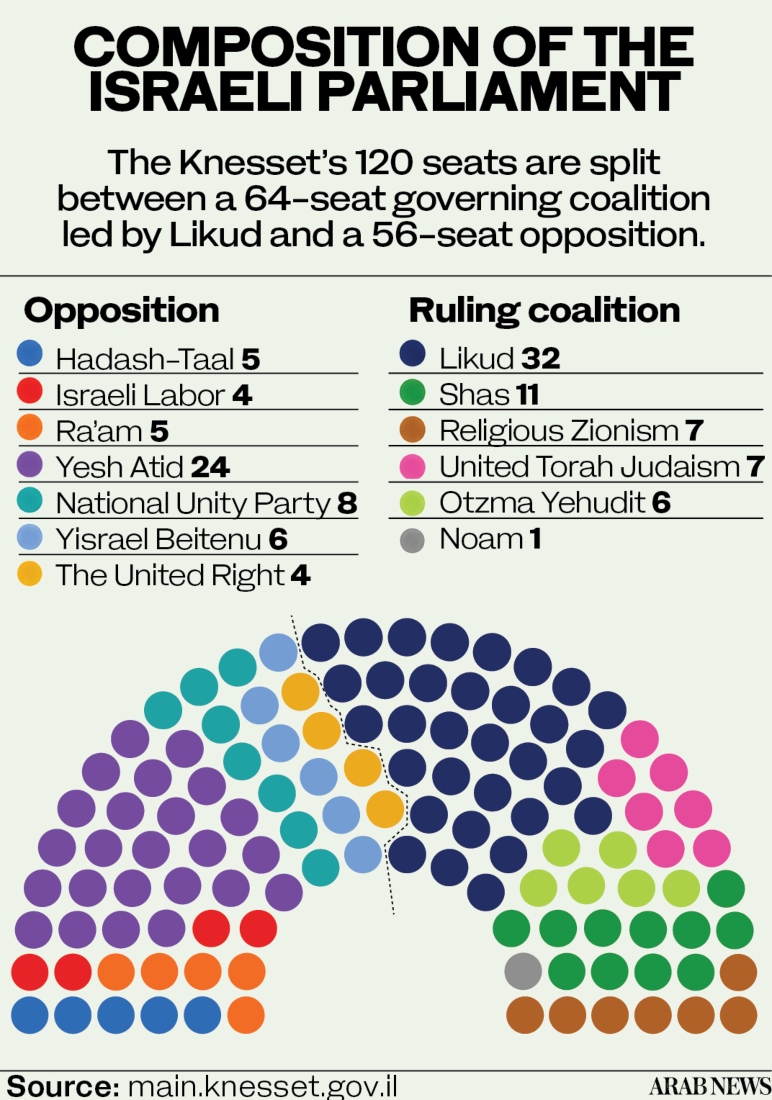
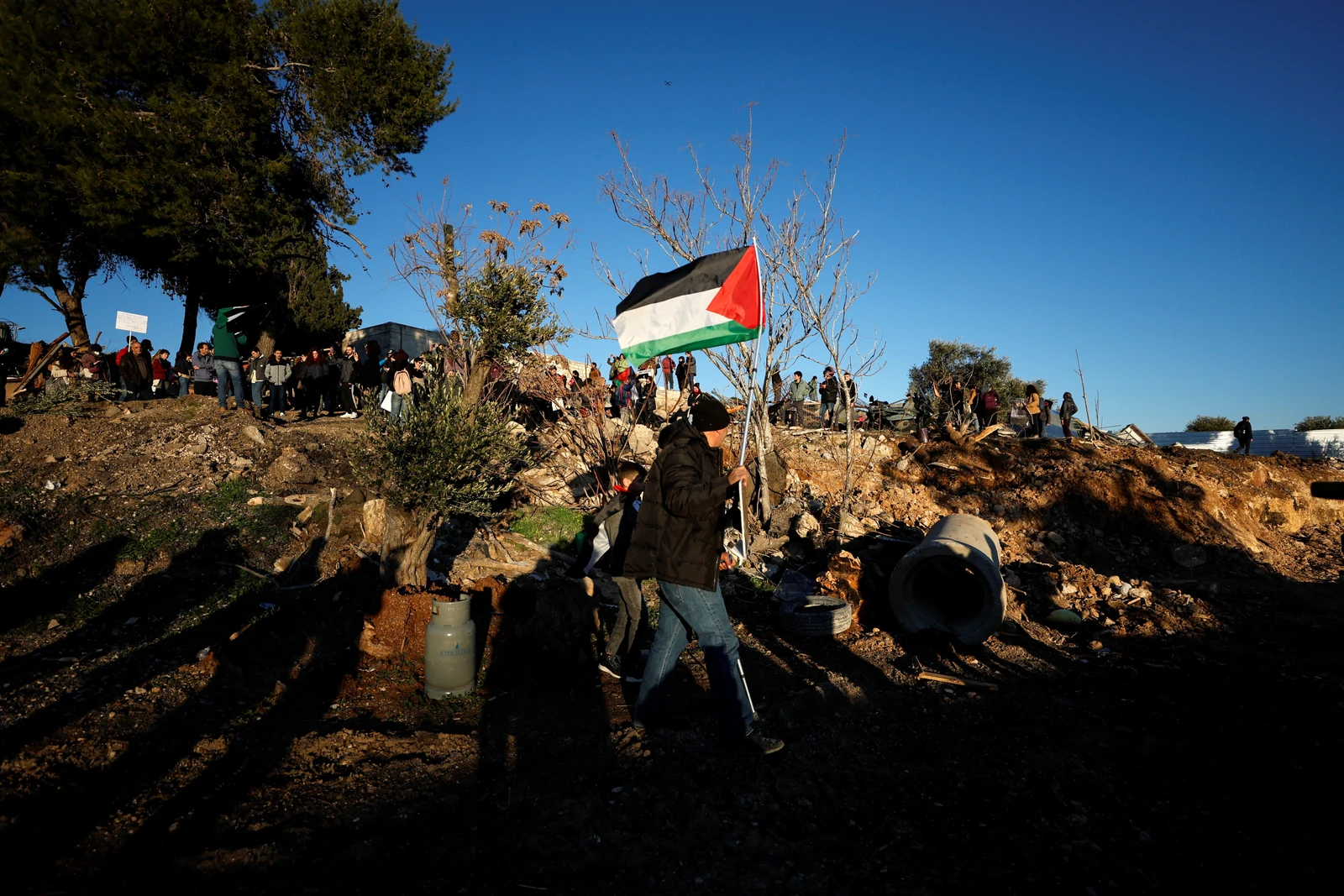
Throwing a second bone to the far-right in his government, upon whose support his political future depends, he added that “a Palestinian state will not arise in Gaza or in Judea and Samaria (the West Bank).”
The move took many by surprise.
“We have asked Israel to give the process a chance,” said Nickolay Mladenov, the Board of Peace’s high representative for Gaza, in an Israeli TV interview after Netanyahu’s statement.
There was, nevertheless, later that day a diplomatically worded rebuke for Netanyahu from the board, implying unspecified consequences for Israel down the road.
“It would have been better for Israel if the declarations matched the actions on the ground, and it would have enjoyed the diplomatic advantage of complying with the terms of the agreement.”
No statement was immediately forthcoming from the White House, with even President Trump uncharacteristically mute on his Truth Social platform. But for some commentators in Israel, there was no doubt about what was happening.
According to an analysis by Haaretz, with elections fast approaching in October, Netanyahu was likely playing for time, gambling on “trying to navigate between Trump’s demands to rehabilitate Gaza and pressure from his right-wing partners to make no concessions.”
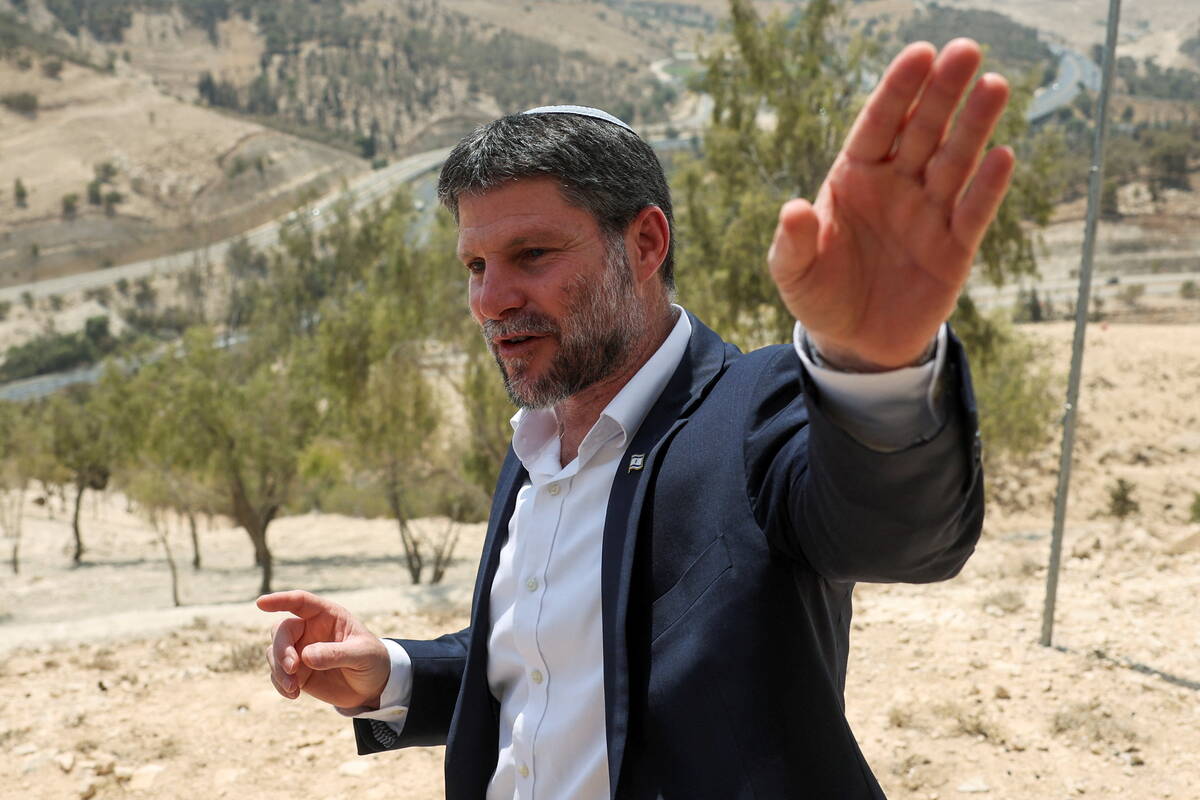
Certainly, Netanyahu’s stance won immediate praise from finance minister Bezalel Smotrich, leader of the far-right Religious Zionism party and one of the strongest opponents of the peace plan and any moves toward Palestinian self-government.
“We went to war with a central goal: the destruction of Hamas,” he said in a statement. The IDF “cannot withdraw even a millimeter,” he added. “The Gaza Strip cannot begin any process of reconstruction before the complete dismantling and demobilization of Hamas.”
Some commentators speculate that Netanyahu is playing a dangerous domestic political game, paying only lip service to his extremists. This could explain the radio silence on the issue from the White House.
On Monday, Israeli news site Ynet, citing anonymous “senior officials” in the Board of Peace, reported that what Netanyahu was saying and doing were two very separate things.
“We look at what is actually happening, less at statements and declarations,” Ynet reported officials as saying.
They added: “Israel is implementing the 15-point document, even though in its statements it rejects it.”
Gershon Baskin, the US-born Israeli peace activist and co-founder of the Alliance for Two States, agrees.
“The response of Netanyahu is directly connected to the upcoming elections and his need to answer to his base and to the right-wing extremists in the Israeli government, who were against the 15-point plan from the outset,” he said.
“But there’s a need to differentiate between Netanyahu’s words and what is happening on the ground, because some of the 15-points are being implemented on the ground in Gaza without acknowledgement by the Israeli government.”
As reported by Israeli media, the government has ordered the IDF to halt assassination airstrikes in Gaza, unless approved directly by the army’s chief of staff and only in cases of “imminent danger.”
Also, said Baskin, “a tender was issued for the preparation for the military base for the international stabilization force and preparations are being made on the ground to prepare infrastructure for the construction of the new Rafah.”
However, he added, “it is clear that (Trump and Netanyahu) are not seeing eye to eye. There’s no question that Netanyahu’s meeting in the White House (last month) was very different from previous meetings.
“He entered through a side door. He didn’t have the red carpet. There was no press conference. There was a private meeting between Trump and Netanyahu. This was a message from Washington to Netanyahu that: ‘We’re not happy with you.’
“Trump is dealing with trying to end the war in Iran, with the sense in America that Netanyahu dragged him into that war. That’s what public opinion is in America, and opinion in the Republican Party as well.”
As for how Trump will react to Netanyahu’s display of defiance, “we have to wait and see. Trump is unpredictable. We don’t know what kind of response there will be.”
Phyllis Bennis, program director of the New Internationalism Project at Washington’s Institute for Policy Studies, is doubtful that Washington will come down hard on Tel Aviv. “There are clearly two parts to this,” she said during a television interview on Monday.
“One is about the elections — the (mid-term) election here in the US that’s coming up, and the election inside Israel, where Netanyahu is under enormous pressure, both from his electoral coalition in the Knesset and public opinion, which is very much in support of his very hardline position.
“But there’s also the question of the reality that the so-called pressure from the US is simply in the arena of words.

“It’s only statements, and we’ve seen this from the beginning of the genocide in Gaza back in 2023, when we saw requests from the White House, whether it was from President Biden and then later President Trump, to say: ‘Please stop killing so many Palestinians. Please negotiate seriously.’ But without any real pressure behind that.”
Real pressure, she added, would mean “no more US arms transfers to Israel. No more military aid to Israel. Period. This is what makes the genocide, which is still going on in Gaza, possible — the support from the US, support diplomatically in the UN, protection from the International Criminal Court, etc.”
But Bennis, author of the 2025 book “Understanding Palestine and Israel,” believes that domestic pressure on President Trump and the Republicans is building. “Support for Israel has become a partisan issue in the US,” she said.
One of the biggest pro-Israel lobbying organizations in the US is the American Israel Public Affairs Committee (AIPAC), which in 2024 spent more than $126 million funding 360 congressional candidates.
“AIPAC is the biggest component of the Jewish sector of the pro-Israel lobby,” she said, “and their money is now toxic among a huge sector of candidates, particularly Democratic Party candidates, who know that if they accept AIPAC money, it will discredit them in the eyes of their own base.”
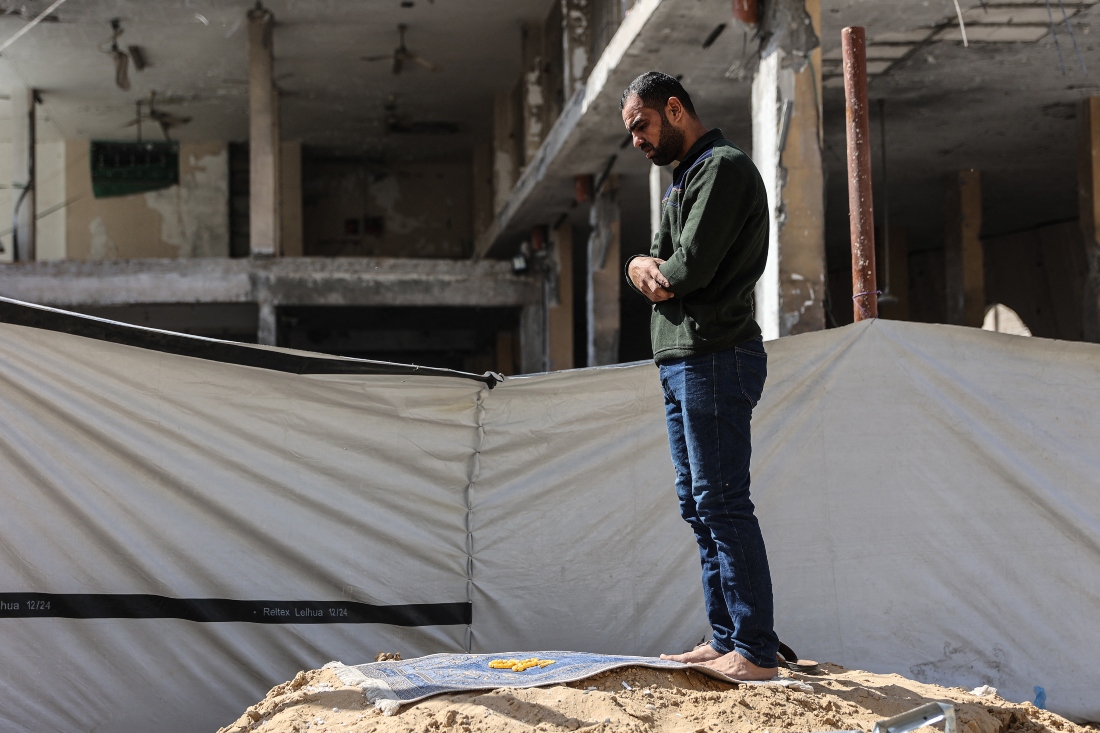
As the peace plan appears to have become a political football, a mass funeral in Gaza last week served as a graphic reminder of what is at stake for the Palestinian people.
The remains of 112 people killed in an Israeli airstrike on a residential building in the Sabra neighborhood of Gaza City on Nov. 22, 2023, were finally exhumed from under the rubble only last month.
According to Gaza’s health ministry, the remains of more than 7,000 people are still entombed under rubble across Gaza.