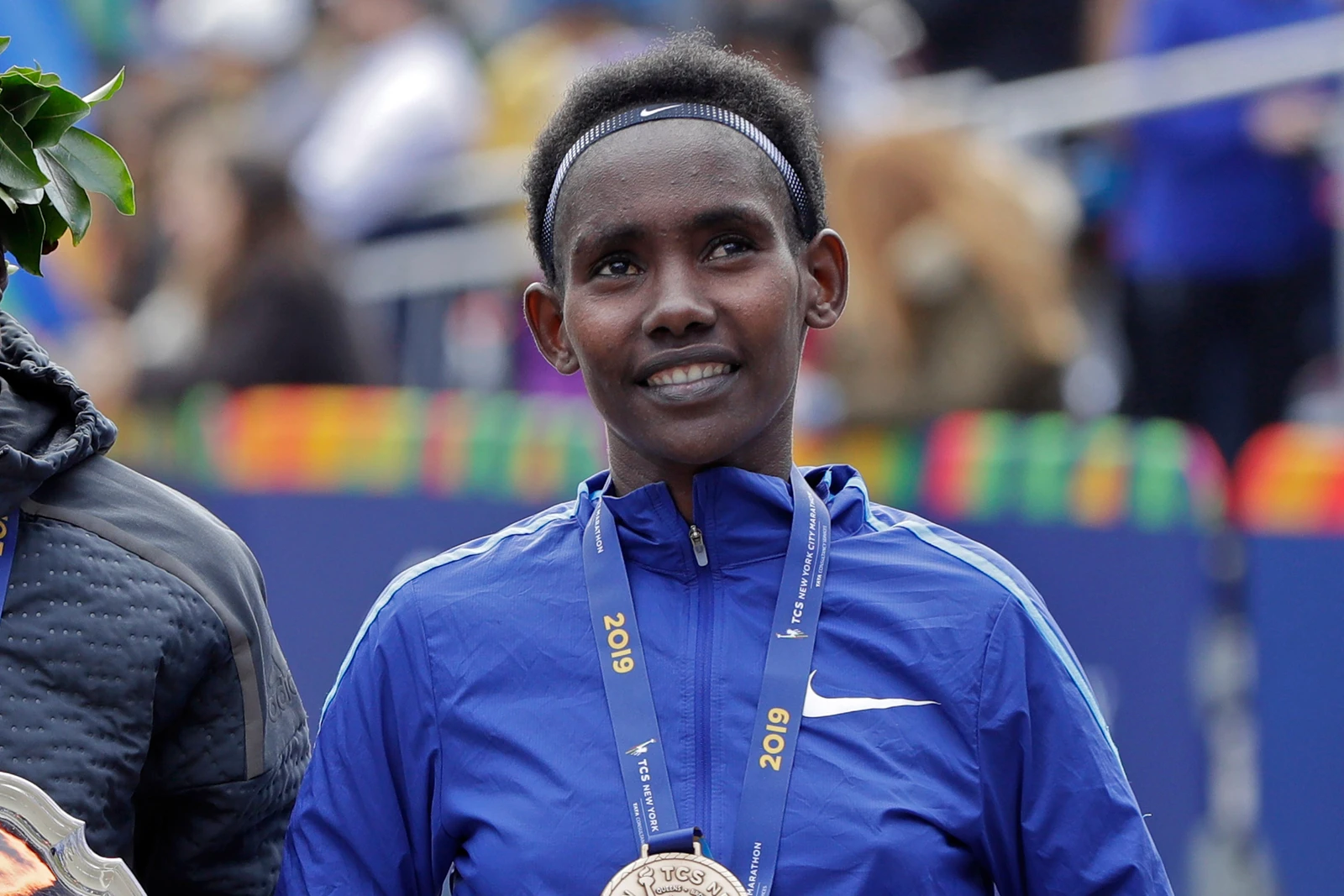
- The 25-year-old AlUla athlete tells Arab News about growing up with taekwondo, balancing a master’s degree with competition, and the family support behind her sporting journey
ALKHOBAR: For Rahaf Alshammari, taekwondo began long before she entered a club or competed for a medal.
Growing up, the Saudi Arabia athlete and her sisters were introduced to the sport by their father, a black belt who turned taekwondo techniques into a childhood game they called wrestling.
Years later, an Instagram post would bring the sisters back to the sport.
“My sisters and I saw an advertisement on Instagram in 2020, but our love for the sport started when we were children because of my father,” Alshammari, 25, told Arab News.
After the COVID-19 lockdown, they began training under coach Abrar Bukhari, who quickly recognized their potential and encouraged them to compete. Alshammari went on to take part in the first Saudi women’s taekwondo championship at national level.
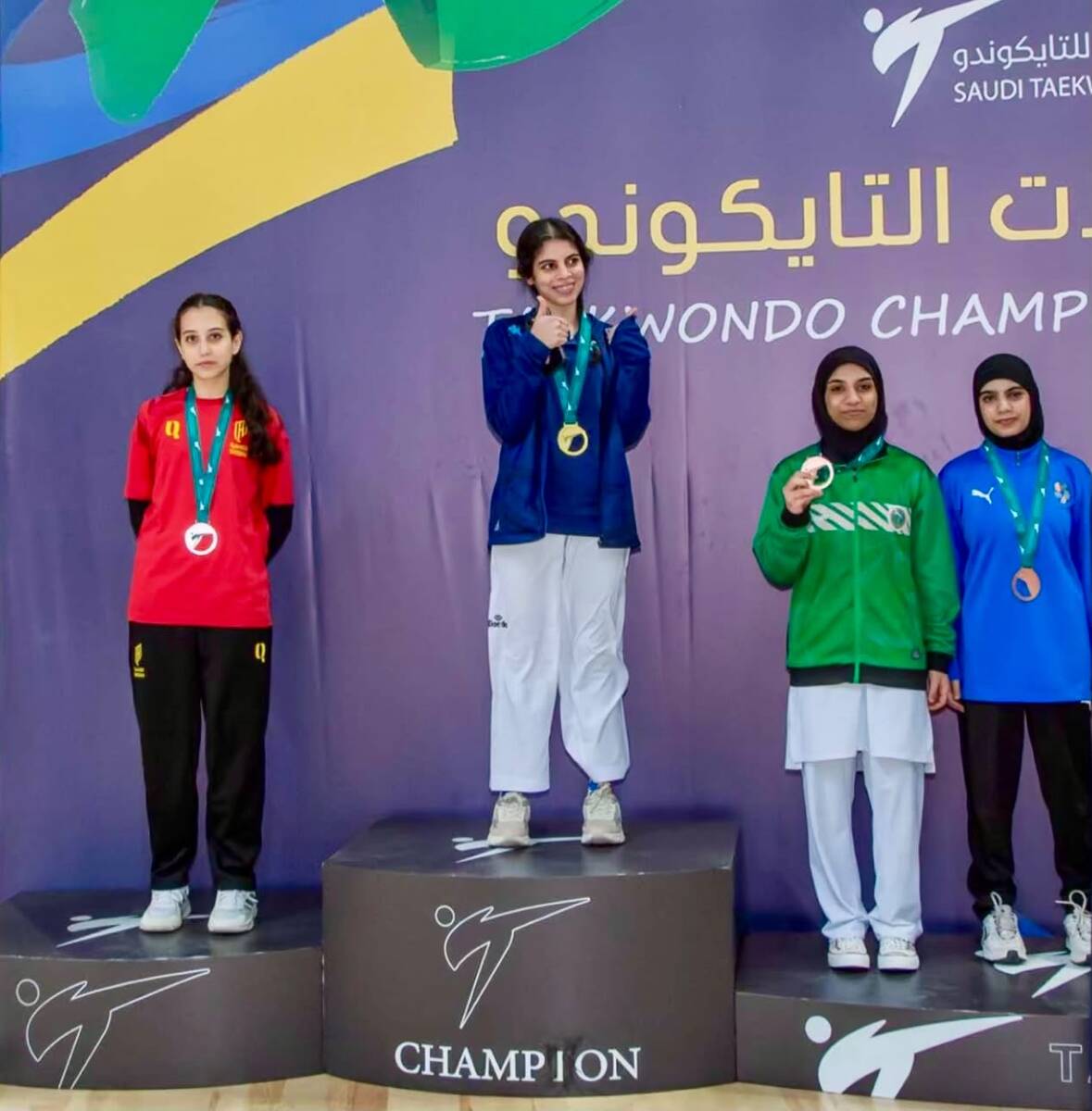
Six years later, she holds a second-degree black belt and competes for AlUla, while studying for a master’s degree in criminal law at Naif Arab University.
Her results span taekwondo competitions inside and outside the Kingdom.
She took bronze at the Oman Open in 2024, before a run of domestic podium finishes in 2026: gold at the Taekwondo Super Cup in Jeddah, silver in the team championship in Makkah and another silver in the Olympic weight championship in Makkah.
She also won gold at the Saudi Universities Sports Federation karate championship in Riyadh in 2023.
Of those results, her 2026 Super Cup title stands apart.
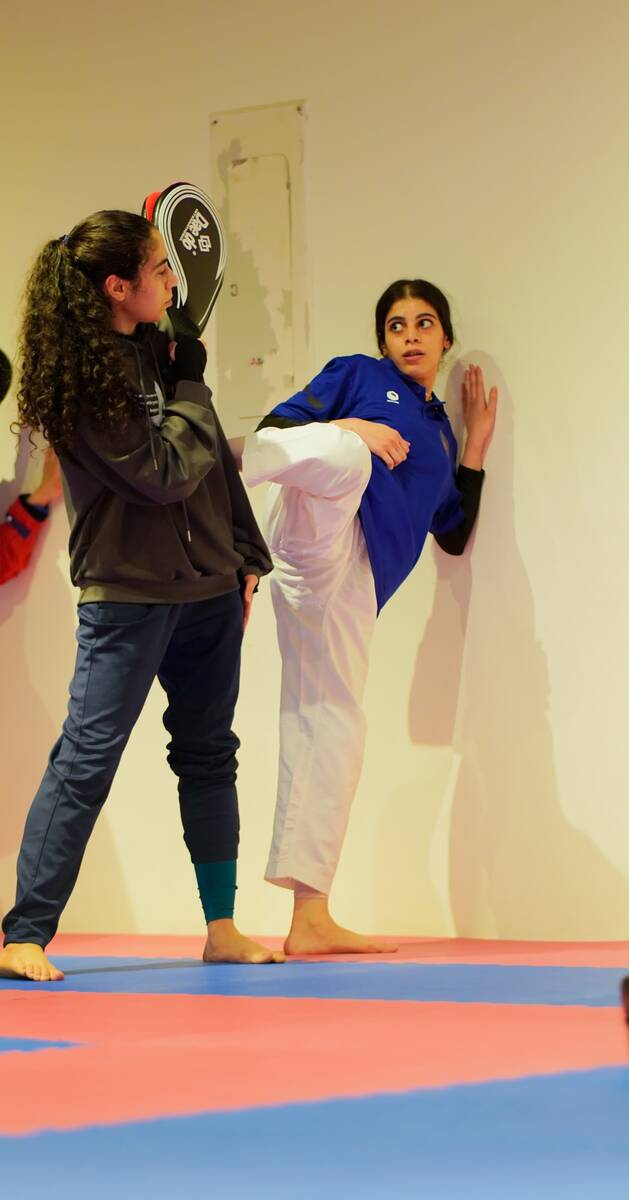
Alshammari said an issue during her opening match initially threatened to prevent her from progressing in the competition. Her team filed a protest, allowing her to continue. She went on to win the match and every bout that followed to take gold.
“The gold medal at the 2026 Taekwondo Super Cup was one of my most important medals,” she said.
The victory reflected a side of competition that spectators rarely see. For Alshammari, training itself is not necessarily the hardest part. Making weight can be.
“Training isn’t difficult for athletes because it’s something routine and something we honestly love doing,” she said.
The tougher periods come before competition, when managing weight can involve strict diets and long sessions in the sauna to shed fluid before stepping on the scale.
Her sister sometimes joins her to make the process easier. “She would come into the sauna with me, go out to breathe, and then come back in as psychological support,” Alshammari said.
Family has remained central to her sporting career. Her father’s experience as an athlete means he understands the demands of competition, she said, and he regularly leaves work to travel with his daughters.
“He always leaves his work to travel with us, and I can see the signs of exhaustion in his eyes and how he sleeps anywhere whenever he gets the chance,” she said. “He supports us financially and emotionally.”
Her mother’s prayers, her father’s presence in the stands, her friends and teammates have all helped her through competition, while Alshammari credits her coaches with investing in athletes beyond physical preparation.
“You can see that they train you with dedication and give you their time because they want to see you reach what you want, and they see your achievement as their achievement.”
That support has become particularly important as Alshammari balances elite sport with postgraduate study.
Competition season frequently overlaps with university exams.
On some occasions, she has finished an exam and headed directly to the airport for a tournament. Travel time becomes study time — she reviews material on the way to competitions and again on the journey home.
Rather than disrupting her education, Alshammari believes taekwondo has made her more organized.
“I honestly feel that if I didn’t play taekwondo, I wouldn’t have achieved these high grades,” she said.
Her normal day begins early so she can protect the sleep she needs for recovery. After work, she eats, rests and may train at home or watch competitions to analyze how professional athletes fight before heading to the club.
Once training is finished, she returns to her morning lectures and studies before bed. “Taekwondo is what organized my schedule,” she said.
The environment around her has also changed considerably since she began competing.
“When women’s sports first started, there weren’t many female athletes or coaches, and there wasn’t strategic support,” Alshammari said. “Government clubs didn’t even recognize women’s taekwondo as a sport.”
Today, she sees Saudi women training across government clubs with access to experienced coaches and a noticeably higher standard of competition.
“Now there isn’t a government club without Saudi female athletes,” she said. “I see rapid development in the level. Even if a girl has only recently joined, you see her competing properly at a high level.”
Alshammari now wants to establish herself consistently on podiums and represent the Saudi national team at international competitions.
Her journey remains closely tied to the family influence that first introduced her to taekwondo as a child — from learning movements with her father to seeing him in the stands years later.
The difference now is that the childhood game has become a competitive career.
Her next goal is clear: “To prove my name on every podium and represent the Saudi national team in many international sporting events.”