
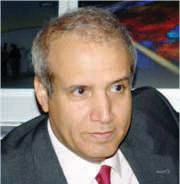

I enjoyed reading the book “Aramco TV” by Dr. Abdullah Al-Madni, which studies the first Arab TV channel in the Gulf. The Arabian American Oil Company (Aramco) has left positive and lasting impressions on life in the region, its TV channel among them, even though many do not want to admit it.
Baghdad was the first to establish a TV channel in the Middle East, and Aramco was established in Saudi Arabia two months later, Madni writes. According to him, Aramco TV was launched in 1957 and covered eastern Saudi Arabia and most Arab Gulf states. It was considered one of the most important American institutions in the world, being the largest American oil-producing company outside the United States.
Aramco used to finance Saudi Arabia with all its revenues from oil sales. For many, the company was a beacon of civilization, enlightening the region’s people and their neighbors via media such as Aramco TV and Al-Qafilah newspaper, which later became a magazine.
Had at that time Aramco TV reached more Saudi cities, it would have led to great social and intellectual change. However, its broadcast was limited to the eastern parts of the country, and owning a TV at the time was almost impossible due to its high price and local poverty.
I liked how Madni noted that the channel did not spread western culture like some people think, but was an important factor in spreading Arabic culture. Aramco TV used to broadcast Egyptian movies with political content that Madni said empowered patriotism and contributed to raising awareness about liberation from colonialism.
He writes Egyptian movies attracted more Arab viewers than American movies, to the point where many neighborhoods were named after movie titles. Madni says Aramco used to take local culture into consideration, and used to broadcast programs and movies after editing out socially or religiously unacceptable scenes.
In 1962, the movie “The Empty Pillow,” starring the late singer and actor Abdulhalim Hafez, was played on Aramco TV without any censorship. It received high acclaim from viewers, so the station decided to decrease its strict censorship.
Aramco closed its channel in 1970, a year after the launch of Saudi TV. I think Aramco TV was suspended due to an official request by Riyadh, which decided not to leave such an influential tool in the hands of a foreign company. The book is worth reading, and I hope the author puts it in a digital library to facilitate access to it.


