- Wildlife sanctuary of Masirah Island remains unaffected
- Oil began reaching Oman’s coast on Wednesday after spreading at sea for weeks
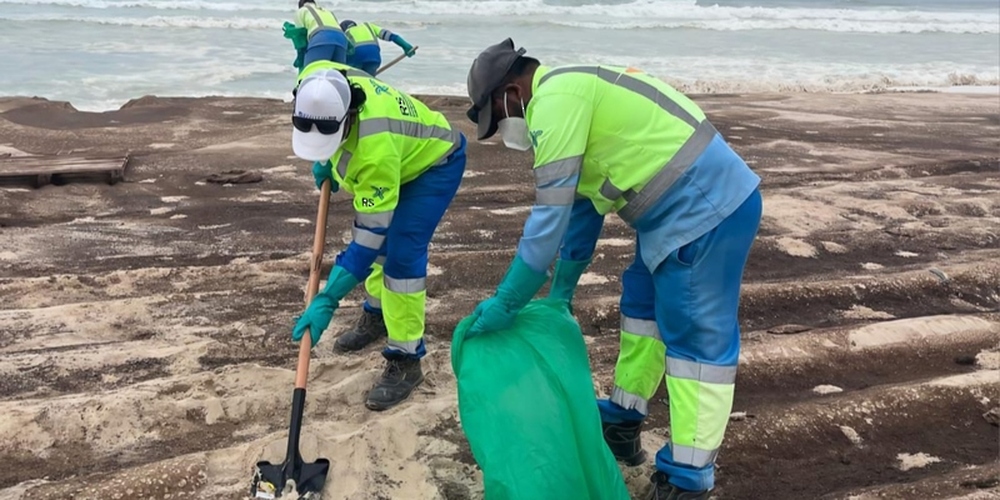
LONDON: Oil pollution from a wrecked tanker has hit a 12-km stretch of Oman’s coastline, environment officials said on Saturday.
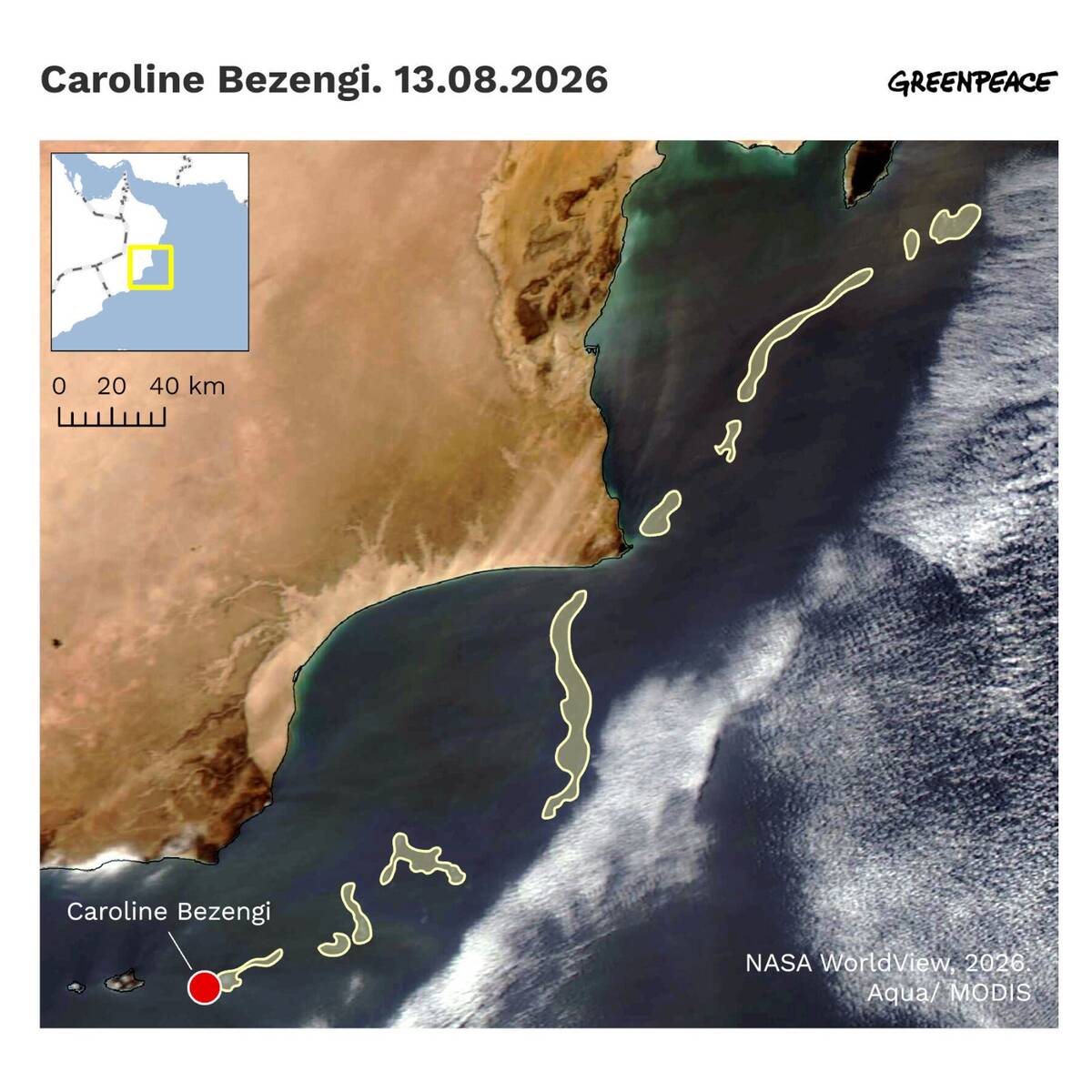
The slick leaked from the Caroline Bezengi, which ran aground on Qabiliyah Island after it was hit by an explosion in June.
The vessel, part of the Russian shadow fleet that attempts to transport sanctioned oil, was estimated to be carrying more than 800,000 barrels.
Oil started to reach the Omani coast on Wednesday around Ras Madraka, 200 km from the wreck, Oman’s News Agency reported.
So far, none has reached Masirah Island, a major wildlife sanctuary for turtles and other wildlife, further north.
“The latest field results indicate that the extent of shorelines affected by pollution in the Ras Madrakah area is approximately 12 km, with response operations currently underway on site,” ONA said.
“Monitoring results to date confirm that no impacts resulting from the oil pollution have reached the shores of Masirah Island, the southern part of which falls within the zone of potential influence.”
The report said that the slick continued to move in a southeasterly direction away from Masirah and toward the open sea.
Greenpeace said on Thursday that satellite images showed the spill covered an area of 1,700 sq. km and threatened protected marine areas that are home to sea turtle nesting beaches, Arabian Sea humpback whales and coral reefs.
Hanen Keskes, regional campaigns lead for the environmental group, told Arab News that any life forms caught within the slick were at risk of being critically affected.
“The area has a thriving marine biodiversity that accounts, among many species, the IUCN-classified critically endangered Hawksbill turtle, the endangered Arabian Sea humpback whale and the vulnerable Socotra cormorant,” Keskes said.
Omani authorities have deployed teams to work on the cleanup, monitor the slick and assess environmental damage.
British company Ambrey said on Thursday that it was working to salvage the ship and had boarded the vessel with help from the Omani air force to assess its condition, AP reported.
The Caroline Bezengi was hit by unexplained explosions off the coast of Yemen in early June, British maritime security company Vanguard told AFP.
It ran aground on Qabiliyah Island, part of Oman’s Hallaniyat archipelago.
The cleanup has been hampered by the seasonal Khareef monsoon, which brings strong winds and rough seas to the southern coastline of the Arabian Peninsula.
The incident comes amid heightened concerns over the environmental impact of attacks on shipping linked to the Iran war and Houthi militants in Yemen.