
- Cabinet warns of escalating settler violence across various governorates
RAMALLAH: Palestinian Prime Minister Mohammad Mustafa opened the weekly Cabinet meeting on Tuesday by stressing the need for government institutions to operate at full capacity to meet the urgent needs of citizens, particularly those in areas under attack, amid escalating crimes by colonist gangs and Israeli forces.
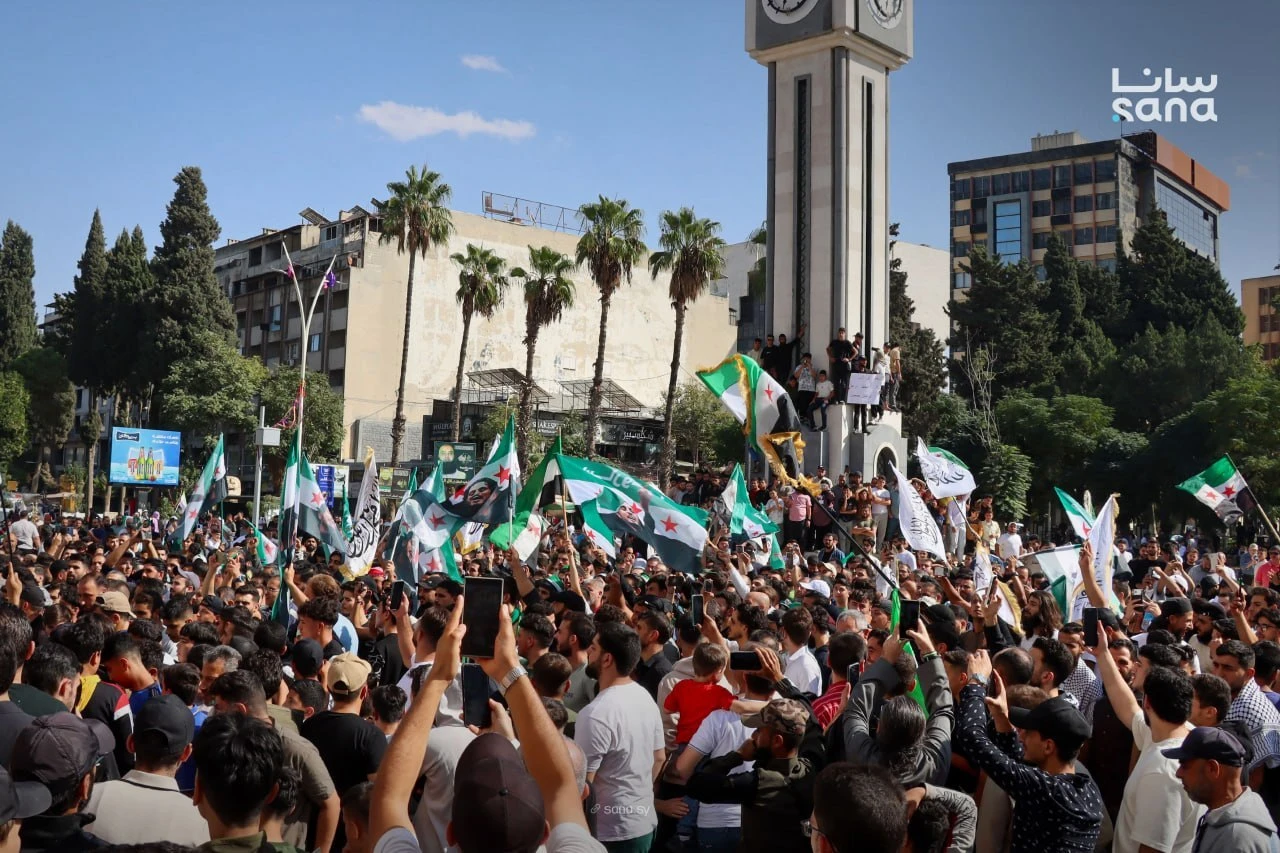
The Cabinet warned of escalating settler violence across various governorates, particularly the repeated attacks on Al-Mughayyir, Tell, Sarra, Beit Dajan, Khala’il Al-Luz, and Masafer Yatta.
According to data from the Wall and Settlement Resistance Commission, 504 attacks were carried out by colonist gangs and Israeli occupation forces in the past week alone.
These acts include the demolition of commercial establishments on the Jenin-Nablus road on Tuesday, in addition to the issuance of confiscation orders for more than 78 acres of land in a single week.
The Cabinet also stressed the need to ensure the safe and regular delivery of aid and basic necessities to Palestinians in the Gaza Strip, including food, water, shelter, and medicine, in light of international reports warning of continued severe shortages and the worsening suffering of displaced persons, particularly those living in tents, due to the heat and repeated displacement.
The Cabinet welcomed the opening of the North Gaza Field Hospital by the Palestine Red Crescent Society, which took place under the auspices of the prime minister via video conference. It is the sixth hospital to be established and operated by the society.
It followed another virtual tour, previously conducted by the prime minister, to monitor the progress of several housing projects, debris removal, the construction and repair of water wells, and economic recovery projects implemented by the government in partnership with the UN Development Programme.
The Cabinet also emphasized the importance of the urgent appeal issued on Monday to the international community, UN and humanitarian organizations, and donor agencies, to support thousands of families who have lost their sources of income and productive assets, particularly those working in small businesses, trades, crafts, and those in self-employment.
The support aims to contribute to recovery, restore income sources, and enhance families’ self-reliance and resilience in the face of the crisis’ repercussions.
As part of its efforts to develop and reform institutions, the Cabinet approved the recommendations of the committee tasked with reviewing and studying the legislation governing the Ministry of Transport and Communications.
The Cabinet discussed a special system for regulating the importation of new and used vehicles, engineering equipment, and trailers, aimed at enhancing transparency, ensuring equal opportunities, and guaranteeing buyers’ rights.
The Cabinet also approved the renewal of contracts with law firms and legal services to strengthen the legal defense of Palestinian people in the Jerusalem Governorate, in light of the escalating Israeli occupation’s attacks on Jerusalemites through illegal demolition and confiscation orders.
Recommendations of the Permanent Ministerial Reform Committee were approved, including those related to the electronic procurement system in government institutions, which were discussed in first reading to ensure enhanced transparency and equal opportunities.
A memorandum of understanding between the Ministry of Industry and Technology of Turkiye and the Ministry of Industry of Palestine regarding cooperation in the industrial sector was also adopted.