
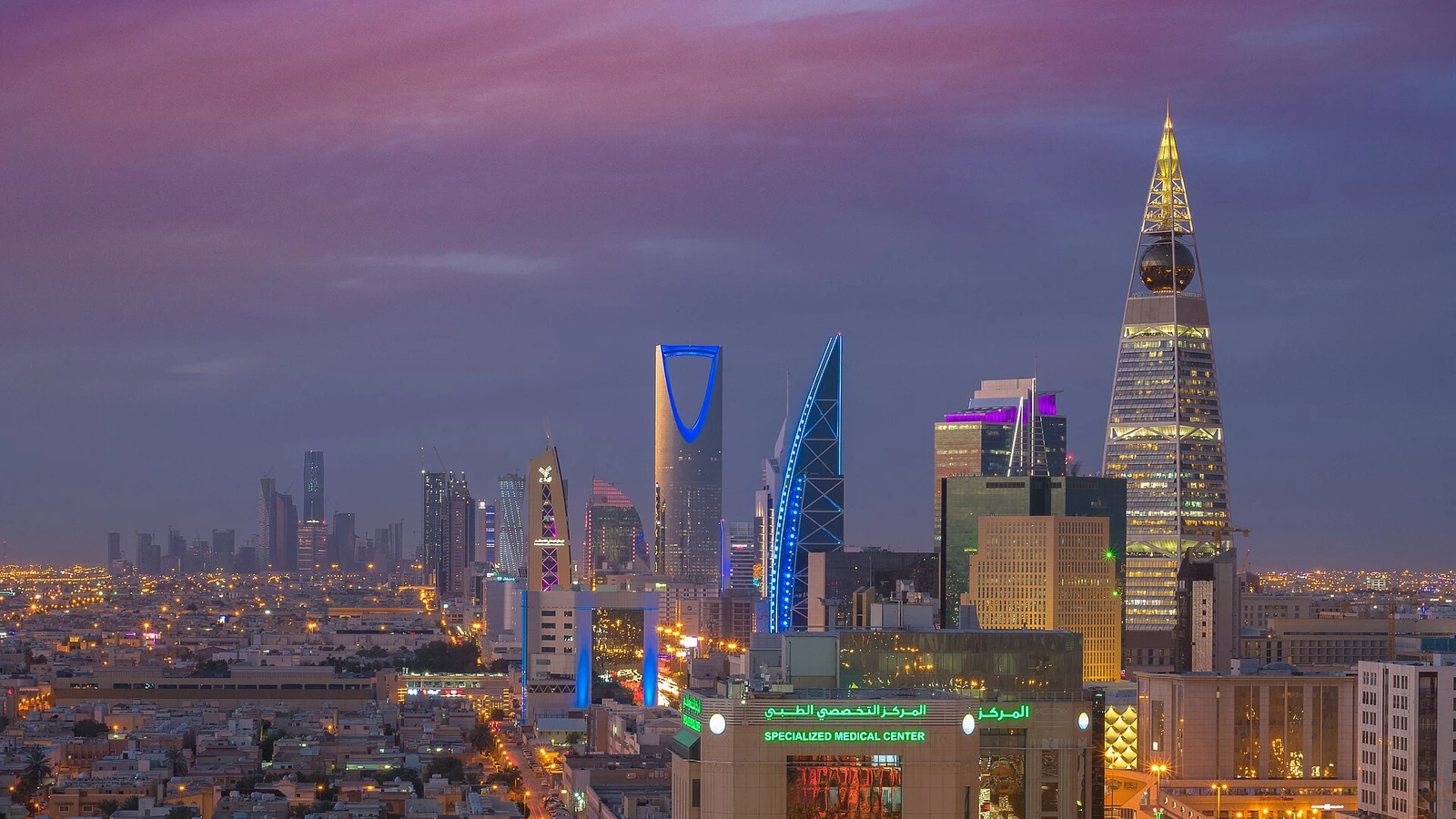

When a missile closes an airport, the first call a foreign investor makes is to an insurer. The second should be to a lawyer. Long before this crisis, governments wrote rules on who bears the cost when war damages a foreign investment. Those rules sit in bilateral investment treaties, in regional agreements and in the conventions that created the world’s investment insurers. Saudi Arabia and Kuwait have been party to that system for more than four decades.
The question investors are asking this autumn, “Who pays when a missile hits?” is therefore not only a question of politics. It is one the law has largely answered.
Almost every investment treaty promises foreign investors “full protection and security.” The phrase sounds absolute. It is not. In the first treaty case ever decided at the World Bank’s arbitration center, Asian Agricultural Products Ltd. v Sri Lanka in 1990, the tribunal held that the standard requires due diligence, not strict liability. A host state is not the insurer of every investment on its soil. It must take the measures a reasonable government would take to protect it.
The contrast is American Manufacturing & Trading v Zaire in 1997. There, the state’s own soldiers looted an American investment and the government did nothing to stop them. The tribunal held Zaire liable and ordered it to pay $9 million.
Saudi Arabia’s due diligence protects investors physically and shows that the state is meeting its treaty obligations
Dr. Bashayer Al-Majed
Measured against those cases, Saudi Arabia’s position is strong. Its air defenses have intercepted missile after missile. Riyadh’s airport reopened within 10 days of being hit. That is due diligence in practice and it matters twice over: it protects investors physically and it shows that the state is meeting its treaty obligations.
Many treaties go further, with a clause dealing specifically with losses from war, armed conflict or civil disturbance. Its core promise is equal treatment. If the state compensates anyone for war damage, whether its own nationals or investors from a third country, it must treat the protected investor no less favorably. Stronger versions require compensation where state forces requisition property or destroy it without military necessity.
These clauses do not make the host state pay for damage caused by an enemy. Under international law, that responsibility lies with the attacker and with those who arm it. They do ensure that a foreign investor is not left behind when the reconstruction checks are written.
Because treaty claims are slow, insurance does the immediate work. Here the Gulf has an institution of its own. The Arab Investment and Export Credit Guarantee Corporation, known as Dhaman, was established in Kuwait in 1974 and is owned by 21 Arab states and four pan-Arab financial institutions. It describes itself as the world’s first multilateral investment guarantor and it covers war, civil disturbance and terrorism. Its golden jubilee was marked under the sponsorship of Saudi Arabia’s finance minister. Alongside it stands the World Bank’s Multilateral Investment Guarantee Agency, which offers similar cover.
Gulf states should modernize their model treaties, with clear war losses clauses and security exceptions
Dr. Bashayer Al-Majed
For a company weighing an investment in the Kingdom, these are not footnotes. They are the difference between an unpriceable risk and an insurable one.
The Arab world also has its own investment treaty. The Unified Agreement for the Investment of Arab Capital, signed in 1980, allows investors from one Arab state to bring claims against another. In 2013, a tribunal applying it ordered Libya to pay about $935 million to the Kuwaiti company Al-Kharafi & Sons over a canceled tourism project. The award showed that Arab treaties have teeth. Its later annulment by a Cairo court showed that enforcement still depends on national courts.
That weak spot points to the task ahead. Many Gulf treaties were drafted decades ago. Their security exceptions are vague, their war losses clauses uneven and their dispute provisions untested in wartime.
Three steps would strengthen the cover. First, Gulf states should modernize their model treaties, with clear war losses clauses and security exceptions that cannot be stretched to excuse inaction. Second, they should promote regional investment insurance, so that Dhaman’s cover becomes a standard part of investing in the Gulf rather than an afterthought. Third, they should document every attack on civilian infrastructure to an evidential standard because the claims that follow wars are won on evidence.
Investors cannot insure against every missile. But they can rely on a legal system that has already decided how war risk is shared: a host state that must act with diligence, a treaty that guarantees equal treatment, and an insurer built for exactly this moment. In this crisis, Saudi Arabia is meeting its side of the bargain. The rest of the Gulf should make sure the fine print keeps up.
Dr. Bashayer Al-Majed is a professor of law at Kuwait University, and a visiting fellow at Oxford.
X: @BashayerAlMajed


