

For decades, the climate debate has been hindered by a lack of trust and finger-pointing, with little tangible action. Last year’s UN Climate Change Summit, hosted by the UAE, marked a turning point, with nearly 200 countries collaborating closely to accept a shared responsibility for the growing climate crisis and to produce concrete plans and actionable solutions.
This unprecedented edition of the Conference of the Parties, known as COP28, culminated in a historic display of climate diplomacy and multilateralism with the adoption of the UAE Consensus, the most ambitious and comprehensive set of negotiated outcomes to come out of the UN Framework Convention on Climate Change since the Paris Agreement at COP21.
While we tackle rising temperatures, the world must also address existing climate damage in under-resourced communities. According to the UN Conference on Trade and Development, “the world’s 46 least developed countries … are home to more than 1 billion people but account for only 4 percent of global greenhouse gas emissions.” Despite this, the least developed countries are disproportionately affected by climate change, facing environmental dangers alongside other detrimental effects to their economic and social systems.
To address this, the first day of COP28 saw an agreement to operationalize a fund for loss and damage, which reached $792 million in commitments by the last day of the conference. This momentum not only marked a financial and symbolic victory, but also set the stage for a summit focused on emphasizing global unity and responsibility for climate action. Yet, money alone will not suffice; the successful establishment of the fund came with a call for ongoing efforts to reduce emissions, which is crucial to breaking the cycle of costly damage and repair.
So, how do we ensure that the world is on track? At COP28, another significant milestone was reached with the first ever Global Stocktake. Central to the UAE Consensus, this was established to evaluate progress following the Paris Agreement, ensuring concrete pathways for signatories to fulfill their climate mitigation and adaptation plans, with the goal of achieving the Paris Agreement’s mandate and keeping the limit of a 1.5 degrees Celsius global temperature rise within reach.
While we tackle rising temperatures, the world must also address existing climate damage in under-resourced communities
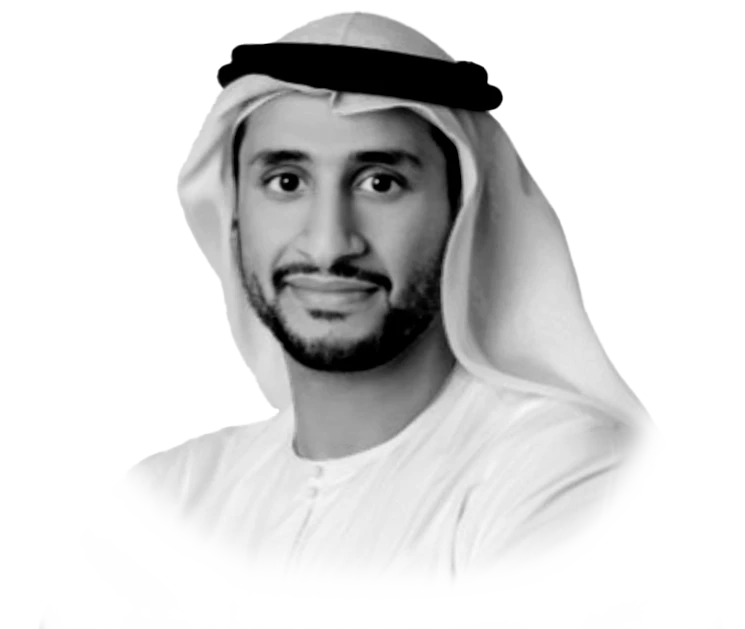
Omar Al Braiki
With the adoption of this tool comes a first-of-its-kind consensus: a clear call to countries to drive a transition away from fossil fuels in a just, orderly and equitable manner, with petitions to triple renewable resources and double energy efficiency by 2030.
As well as establishing efforts for parties to align their Nationally Determined Contributions by 2030 and better mitigate and adapt to climate change, the Global Stocktake sets the standards needed to meet the 2030 goals — including recognizing the need to peak global emissions by 2025, accounting for different national starting points, and encouraging countries to submit economy-wide Nationally Determined Contributions.
The Global Stocktake also provides useful insights into navigating the financial factors affecting climate progress, with measures to scale finance beyond doubling to meet the urgent needs and close the adaptation finance gap. It also builds momentum for post-2025 climate finance goals to match the needs of a global transition, especially with calls for the implementation of National Adaptation Plans by 2030.
Amid the collective success of COP28 was a series of five targeted outcomes that emerged from the UAE Consensus. Arguably, the three most significant of these were the Emirates Framework for Global Climate Resilience, the UAE Just Transition Work Program and youth engagement, all of which work synergistically to establish clear targets, approaches and outcomes toward responsible climate stewardship.
The Emirates Framework for Global Climate Resilience prioritizes adaptation to enhance global resilience and reduce vulnerability by 2030, identifying key targets across food, water, health and nature that aim to achieve sustainable development and international collaboration. The UAE Just Transition Work Program, which is the first dedicated space under the UN Framework Convention on Climate Change process to drive equitable implementation across all Paris Agreement pillars, references health, labor rights and social protection as additional elements of adaptation. Running across all focus areas is the theme of youth engagement, which includes a historic decision to institutionalize the position of the COP Presidency Youth Climate Champion to engage youth in climate action.
The Global Stocktake also provides useful insights into navigating the financial factors affecting climate progress
Omar Al Braiki
When the UAE took on the COP28 presidency in 2021, reports flooded the media calling this a juxtaposition — how could a country with an economy largely dependent on fossil fuels lead the largest climate conference in the world? What critics failed to consider was the UAE’s track record in environmental stewardship and its genuine commitment to driving multilateral solutions for the climate crisis, as well as its ability to place people at the heart of the climate agenda. The UAE’s COP presidency exemplified what commitment to a cause looked like, moving past its own self-interest and adapting to a changing climate.
Is the role of the UAE’s COP presidency over? The answer is no. Early on, the presidency laid out a clear mission to deliver a “COP of action.” The presidency’s role is to continue working with the parties to ensure that, collectively, we achieve the consensus agreed upon and the actions set out throughout the forum. For the first time, parties under the COP28 presidency’s leadership set a first-of-its-kind COP troika, which mandates the COP28 UAE presidency, COP29 Azerbaijani presidency and COP30 Brazilian presidency to integrate solutions across the three presidencies in the critical timeline leading up to 2030.
• Omar Al Braiki, Deputy Chief Negotiator, COP28, and National Experts Fellow.


