Football is a truly global game that has brought many positive political benefits to diplomatic actors, either by hosting mega-events such as the World Cup or the Asian Cup or through deals with famous clubs.
In their paper “The Globalization of Football,” Richard Giulianotti and Roland Robertson suggest that, if profitability were prioritized, football’s governing bodies could be seen in the same light as FIFA’s “Swiss neighbor, the World Trade Organization.” Meanwhile, Stuart Murray and Geoffrey Alan Pigman believe that FIFA and the International Olympic Committee might be able to learn from other nonstate actors such as the World Trade Organization as to how to engage as a diplomatic actor.
Football’s diplomatic actors can be any well-recognized individuals, such as players or managers, who want to make noticeable contributions toward world diplomacy.
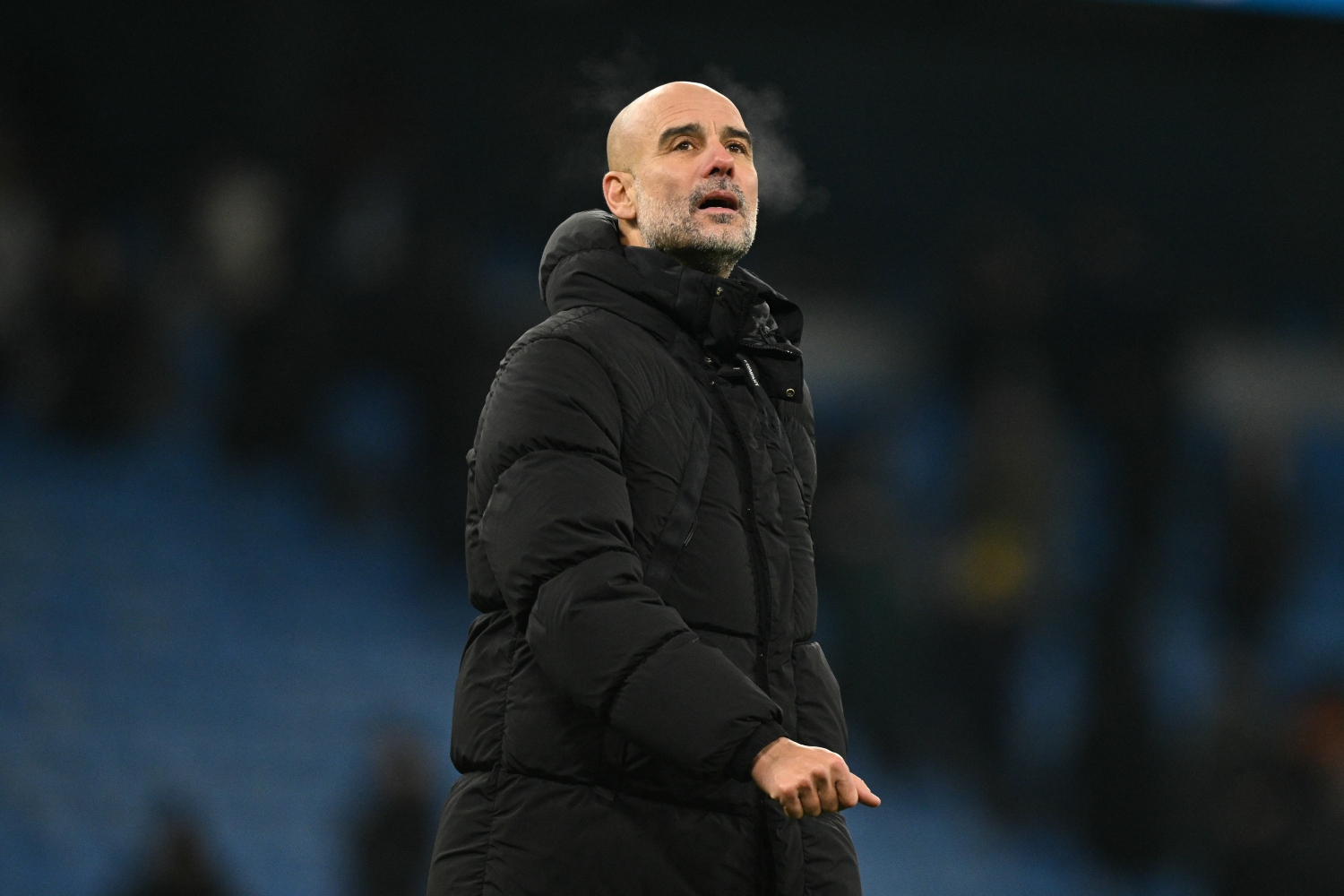
The recent resonance of the incident at a news conference given by Pep Guardiola, the Manchester City manager, when he paid attention to the number of tragedies in the world, demonstrates this. He stressed that “protecting the human being and human life is the only thing we have, not just in these parts of the world but every part of the world. We can reach the moon, we can do everything. But still right now, we kill each other, for what? For what?” He added: “When I see the images, I am sorry it hurts. That is why in every position I can help speak up to be a better society, I will try and will be there.”
In an article titled “Pep Guardiola’s political commitment has a long history,” New York Times writer Sam Lee argued that, “of the many ways that Pep Guardiola is not a typical football manager, the strength with which he holds his political convictions is especially striking.”
In general, Manchester City’s results have served as effective soft power and state branding for the UAE
Dr. Diana Galeeva
During his professional career, he has earned prestige, status and influence. Guardiola played for Barcelona from 1990 to 2001 and has since managed the Catalan club, Bayern Munich and Manchester City, where he has been since 2016. Under his leadership, the English club has won 18 trophies and made some historic achievements. For example, in 2018, City won the English Premier League with a record 100 points. Between 2021 and 2024, the club won four consecutive league titles. It also won the UEFA Champions League in 2023.
The Guardian last month published an article titled “The day English football changed: 10 years on from Manchester City naming Pep Guardiola.” It again stressed the personal contribution he has made to changing the world of football. Writer Rob Draper concluded that “Guardiola and his philosophy may not be done quite yet … It may not quite be the resounding battle cry of ‘Ten more years,’ but there may be one last blast of Johan Cruyff’s football before Guardiola leaves, having changed us utterly.”
Manchester City’s annual report for 2022-23 offered evidence of this view, with CEO Ferran Soriano confirming another year of record-breaking revenues and profits. He wrote: “We can certainly say that the 2022-23 season was the best in the history of Manchester City. Dreams became reality thanks to the amazing players and coaches we have, led by Pep Guardiola and (director of football) Txiki Begiristain.”
The trophies won under Guardiola have increased the status and prestige of the club, in addition to proving to be a profitable investment for the owners. Since 2008, the club has been owned by Sheikh Mansour bin Zayed Al-Nahyan, vice president and deputy prime minister of the UAE. In general, the club’s results have served as effective soft power and state branding for the UAE.
Deals with and the purchase of football clubs in Europe by worldwide diplomatic actors have become possible due to two ongoing processes in European society and in the field of sport over the last 20 to 30 years: globalization and commercialization.
Among the first phases of European football being globalized as a business was the expansion of the sport to international markets such as the Far East, with the English Premier League a forerunner. The globalization and especially the commercialization of European football provide an opportunity for countries, such as the UAE, to invest and gain political advantages from those investments as an effective soft power tool.
Well-recognized figures can make bold statements that have implications as diplomatic messages of peace
Dr. Diana Galeeva
Soriano stated: “We always had the support and guidance of Sheikh Mansour and our shareholders. These, together with the leadership of our Chairman Khaldoon Al-Mubarak and the board, the hard work of our staff and the support of our incredible fans, have all contributed to our achievements.”
Football’s transnational influence, with fans across the world supporting Europe’s top clubs, offers the possibility to gain positive outcomes from such investments, in addition to offering unique power for famous individuals. Guilianotti and Robertson highlighted the most dynamic agents in football’s current globalization. They observed that these include different “transnational corporations,” large football clubs such as the members of the European Club Association, merchandise companies such as Nike and media conglomerates such as Sky and its sister companies.
Guilianotti and Robertson consider Juventus, Bayern Munich and Manchester United as examples of transnational clubs. Such major clubs play internationally during the off-season in the US, Asia and Australia, bringing matches to international fans. Such transnational clubs have fan bases “that are similar in size, if not patterns of identification, with the citizenry of nations,” according to Guilianotti and Robertson.
Famous individuals also boast special features of transnational power. The message of peace suggested by Guardiola has implications for British fans and all followers of Manchester City and football generally across the world. This power allows these well-recognized figures to make bold statements that can have implications as diplomatic messages of peace. Another side of this transnational power is that these statements must be sensible to avoid any disagreements at the political level.
In general, the power of individuals in sports, especially football, is substantial and can be applied in modern diplomacy to end difficult crises, even as traditional diplomacy fails to bring results.
- Dr. Diana Galeeva is an academic visitor to the Center of Islamic Studies at the University of Cambridge.