- Analysts believe Iraq will view the drawdown not as a concession, but as a strategic necessity to neutralize domestic political threats
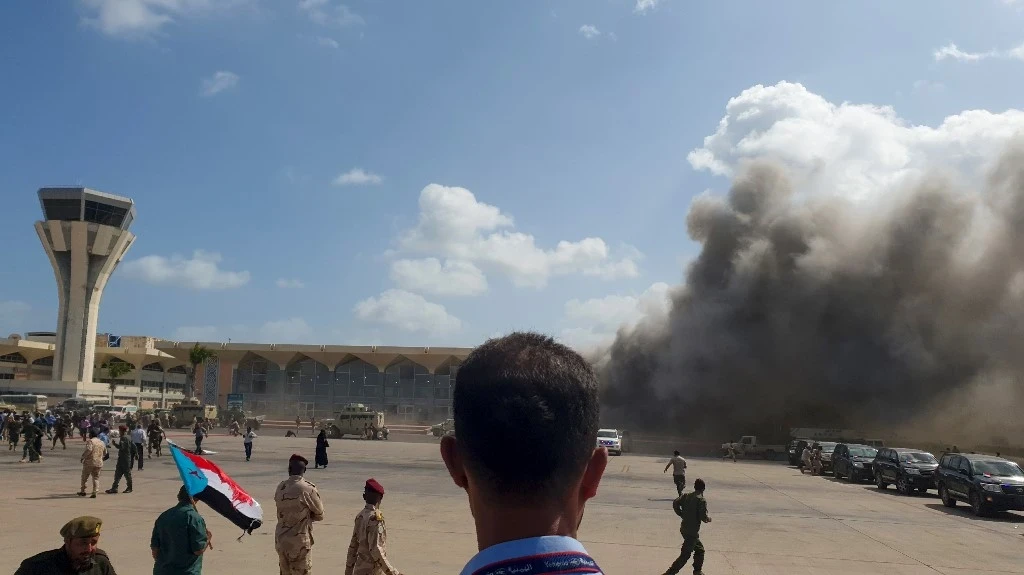
DUBAI: Iraq’s government has confirmed that the US-led military coalition is preparing to withdraw its forces from the Kurdistan region and transfer bases to Iraqi forces before a deadline of Sept. 30.
“The work is proceeding at an organised pace towards completing this file on September 30 and these sites will be in the custody of Iraqi security agencies,” Government spokesperson, Haider Al Aboudi, told reporters on Monday.
No US officials have confirmed the statement, Arab News contacted several on Tuesday but none are yet to respond.
The September 30 deadline was agreed by Baghdad and Washington in 2024 as part of a wider deal to shift the US-led coalition’s mission in Iraq away from combat and advisory operations and towards bilateral security cooperation. The Kurdistan region hosts several key coalition sites used for training, logistics and air operations targeting Daesh remnants.
His commments echoed previous remarks by Prime Minister, Ali Al Zaidi, who reportedly told several EU ambassadors to Baghdad that Iraq was taking practical steps to complete the withdrawal by the deadline.
According to Hannan Hussain, a senior expert at Initiate Futures, a global policy think tank, the withdrawal is seen by Iraqi authorities as being part of the state’s ambition to present itself as in control of arms.
“I think Iraq's penchant to present a sense of state control over armed actors and otherwise is something which was routinely challenged from a domestic point of view by the presence of US troops,” Hussein told Arab News.
Hussein said US deployments in Iraq, particularly in it’s Kurdish regions had become an expensive and dangerous endevour, particularly after coming under major attack by Iran in the most recent confliguration of the conflict.
“We do know that the situation within the Kurdistan region between the time these troops were first committed till now has undergone a bit of a sea change,” he said.
“We do know that the US sentiment with regard to the purpose and the broader objective of these troops has also undergone a transition and there is I'd say, a bit of a contested consensus on the utility of having troops to counter threats which are now multiplying.”
Hussein believed Iraq would view the drawdown not as a concession, but as a strategic necessity to neutralize domestic political threats.
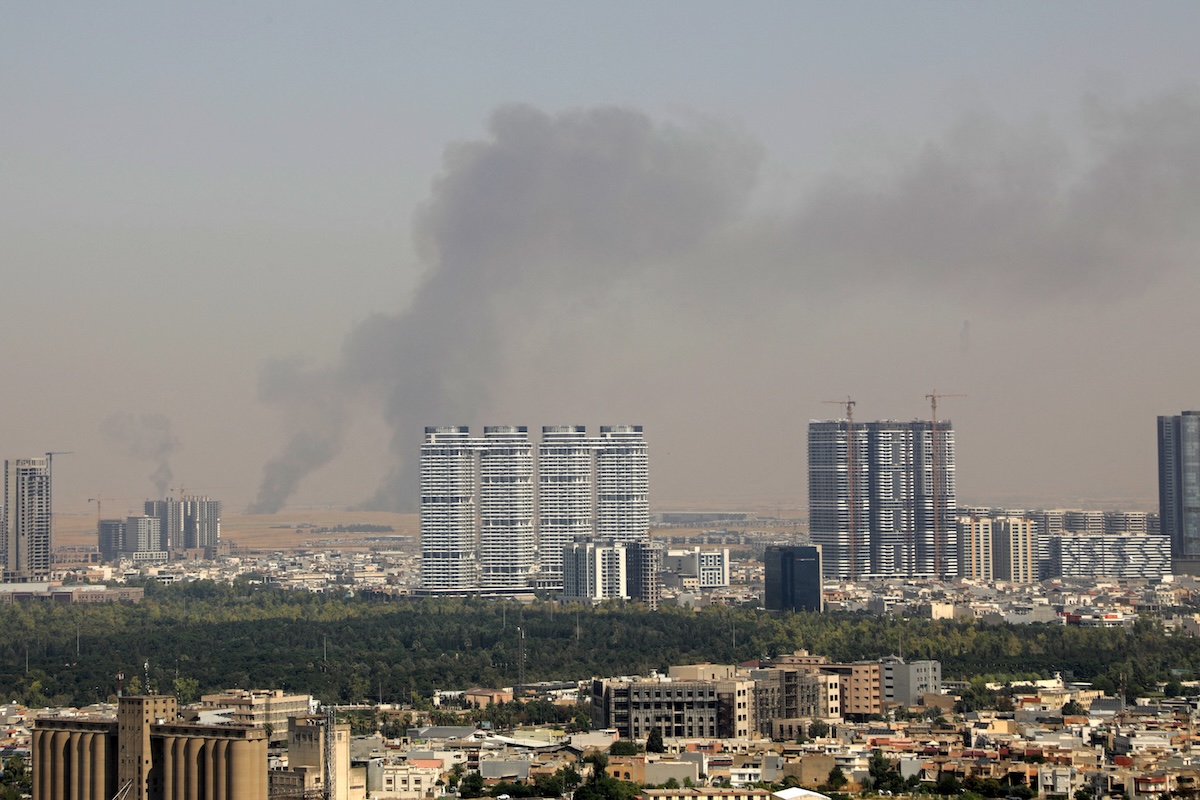
For years, foreign military presence provided Iran-backed militias with political leverage to challenge the Iraqi government’s sovereign authority. By removing this friction point, Hussein says Iraq can hope to defuse proxy violence within and across its borders.
"The presence of US troops on the ground, from a domestic point of view, in some ways served as ammunition for Iran-aligned Iraqi groups, which used that as a pretext to challenge the government's sense of control," he said.
"With a spike in attacks by those very militias under the pretext of US troops, it serves as a break-even point for the United States as well as many Gulf partners... the goal is to de-escalate attacks from these groups, which is a red line for many countries, including KSA."